Production and Utilization of Pig Manure as Construction Bricks
Ibaan, a developing municipality in Batangas had never evaded such environmental problems since piggeries and poultries are abundant sources of living aside from agricultural activities. Most of the waste products created by these infrastructures are thrown away on pits or if not, on rivers in Ibaan. It can be seen that these wastes provides environmental impacts which provides less beauty and less healthy community. The progression of the municipality was being hindered by the said wastes primarily when it comes to the cleanliness and safety of the environment. The necessity of providing something to deal with the problem came pfrom every Ibaan people to make a well- conditioned and more productive community.
One of the waste product that a piggery excreted is what we called pig manure. Pig manure has many nutrients that can help the community such as nitrogen (N), phosphorous (P), potassium (K), calcium (Ca), magnesium (Mg), sulfur (S), manganese (Mn), copper (Cu), zinc (Zn), chlorine (Cl), boron (B), iron (Fe), and molybdenum (Mo). Also, it can be a fertilizer for fruits, vegetables and other ornamental plants. Because of these benefits, it can be concluded that pig manure is not only a waste product but also a beneficial fertilizer for plants.
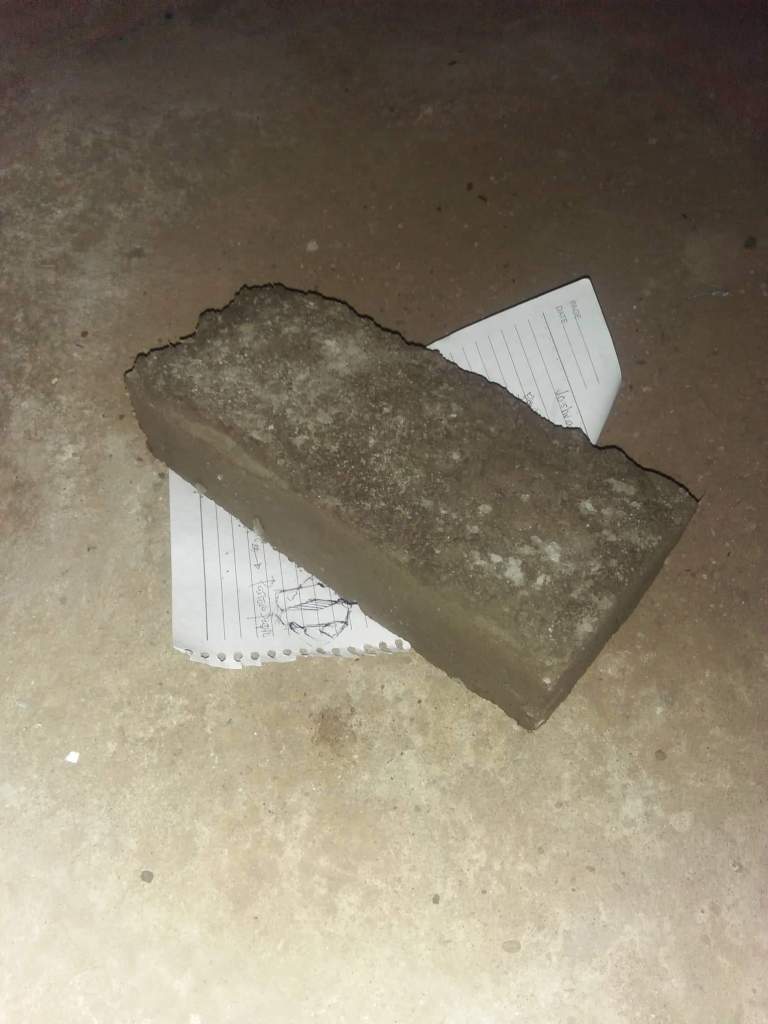
Aside from being a fertilizer, pig manure has also a possibility to be a construction brick because of its special characteristics or nutrients. It has calcium and other strong elements that will strengthen the compressibilty and durability of that brick. Its mission is to provide a highly economical solution to a waste problem while helping to curb the destruction of the local environment caused by clay quarries. The bricks can be made using 75% pig manure and cured in a biogas heating process that reduces the brick factory’s CO2 emissions significantly over traditional wood fire heat.
With this, the researchers came up with the study entitled “Production and Utilization of Pig manures as Construction Bricks” to help the community by providing essential bricks that may lessen different harmful environmental impacts through the use of pig manures. The necessity of the people to provide an action with have started.
Hollowblocks will remain stable until the end of the experiment since it will be used for the comparison to biobricks.
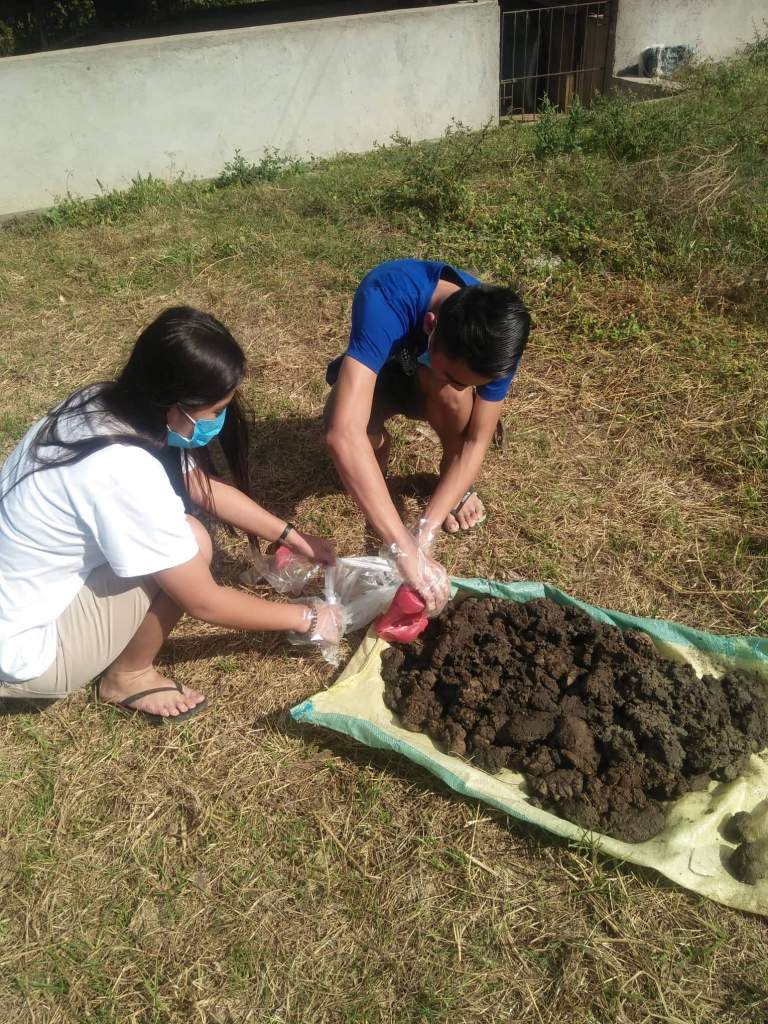
Collect all the pig manures that can be used to the experiment. Crush it finely and dry in air. Mix with cement powder and water. 1:1 is the ratio of the mixed pig manure and cement powder. Add some dalandan extract as a constant variable to neutralize the scent of pig manures. Put it on the molder to maintain the shape of rectangular bricks. And let it dry.
 Engineer and Nurse Journey